Thermal Spa Hopping: Visit Several Hot Springs on One Trip
Reading time: 10 minutes
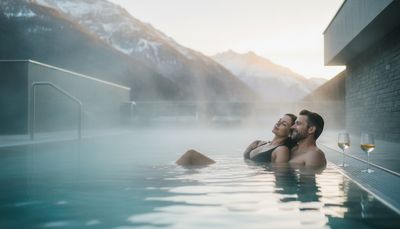
Picture yourself easing into the sulfur-rich spring in Bad Gastein in the morning, enjoying the rock grotto in Leukerbad at lunchtime, and relaxing in an infinity pool with a view of the Dolomites in the evening. Spa hopping in the Alps brings together the best of several thermal springs on one trip, and with the right companion, this tour becomes an unforgettable experience. If you don't want to travel from bath to bath on your own, a shared spa tour is the perfect mix of relaxation, discovery and time together.
The Alpine region has more than 300 recognized healing springs between Lake Constance and the Slovenian Alps. From mineral-rich thermal springs and therapeutic radon baths to modern wellness temples, the variety is endless. The idea behind spa hopping is that you experience different thermal baths one after another and get to know what makes each spring special.
Why spa hopping is perfect for wellness trips together
Combining several thermal baths on one trip makes the most sense with a partner. While solo travelers often stay put in a single resort, couples and travel companions enjoy the variety of different hot spring experiences. Every bath has its own temperatures, mineral composition and atmosphere.
The Bad Gastein thermal spa feeds its 17 pools with 47-degree (about 117°F) radon water straight from the rock. A few hours' drive to the west, the Felsentherme Bad Gastein with its historic tunnel system offers a completely different ambience. These contrasts turn spa hopping into a multisensory experience that you notice more intensely and talk about together.
For people with special needs, spa hopping works especially well when a companion helps with the planning. Many modern thermal baths have step-free access, pool lifts and specially trained staff. The wellness trips for seniors with limited mobility show how thoughtfully such tours can be organized.
The best routes for thermal spa hopping
A well-planned route through several thermal springs takes into account geographic proximity, different healing-water qualities and varied architectural styles. Here are three tried-and-tested routes for your spa-hopping adventure.
The Austrian classics route: Salzburg to Carinthia
This route links three legendary thermal baths over 280 kilometers (about 175 miles). You start at the Alpentherme Gastein with its spectacular roof terrace at 1,100 meters (about 3,600 feet). After two nights, you continue to Therme Bad Kleinkirchheim, where Olympic ski stars rest their muscles. The tour ends at the Kärnten Therme Villach with its impressive sauna village.
The advantage of this stretch is the short drives between baths. You spend more time in the water than in the car. Each of the three baths has its own mineral signature: Gastein stands out for its radon, Bad Kleinkirchheim for its high calcium content, and Villach for a balanced mix of minerals.
Swiss panorama tour: Graubünden and Valais
For spa hopping with a mountain backdrop, this route is unbeatable. Begin at the Therme Vals, where Peter Zumthor's architectural masterpiece made of 60,000 slabs of slate welcomes you. The next stop is Leukerbad in Valais, Europe's highest thermal spa village at 1,411 meters (about 4,630 feet). Here, 3.9 million liters (about 1 million gallons) of thermal water gush from 65 springs every day.
The finale is the modern Ovaverva in St. Moritz, with its unique combination of healing water and the Engadin's famous "champagne climate." This route involves somewhat longer drives, but rewards you with Alpine exclusivity and very different bathing cultures.
The Bavarian-Tyrolean border route
This compact route is great for a long weekend. The Watzmann Therme Berchtesgaden offers outdoor brine pools with a view of the mountain it is named after. From there you cross the border to the Alpentherme Ehrenberg near Reutte, where you bathe in historic surroundings. The finale is the Zugspitz Arena in Ehrwald with its panoramic-glass pool.
All three baths are no more than an hour's drive apart. The route leaves room for spontaneous detours to sights such as Neuschwanstein Castle or the Partnach Gorge.
Experiencing different thermal baths in a row: what to keep in mind
Visiting several thermal baths on one trip takes more planning than staying at a single resort. Your body reacts differently to changing mineral compositions and water temperatures.
Experts recommend at least two nights per bath. The healing effect only unfolds after repeated bathing spread over two to three days. According to a study by the German Society for Physical Medicine, the body needs 48 hours to absorb the mineral active substances optimally.
Build in rest days between moves. After intensive thermal baths, your circulation needs time to recover. A day with a light hike or some cultural activities between two baths gives your body time to regenerate. The city trips for two show how you can make these breaks varied and fun.
Document the differences between the baths. Photograph the different pool landscapes, jot down water temperatures and compare notes on the different effects. These records help with planning future spa tours and make the trip more memorable.
Practical organization: booking and logistics for spa hopping
The biggest challenge of spa hopping is coordinating accommodation, admissions and transfers. Many thermal baths offer combination packages for several locations that you can book as a couple.
The Thermenland Steiermark Card, for example, gives access to six different thermal baths in the region around Bad Waltersdorf. For 189 euros per person (roughly $205), you get three nights with free admission to all participating baths. Regional passes like this cut costs considerably and simplify the logistics.
Book accommodation with flexible cancellation terms. With spa hopping, you may well want to stay longer in one place than planned. Hotels with free cancellation up to 24 hours before arrival give you that flexibility. You should also settle how to split vacation costs in advance, especially if plans change spontaneously.
Pack light and practical. You don't need huge suitcases for spa hopping. A bathrobe, two swimsuits, flip-flops or pool shoes and a small toiletry bag are enough. Most thermal baths rent out towels and sauna towels for a small fee.
Finding the ideal travel companion for thermal tours
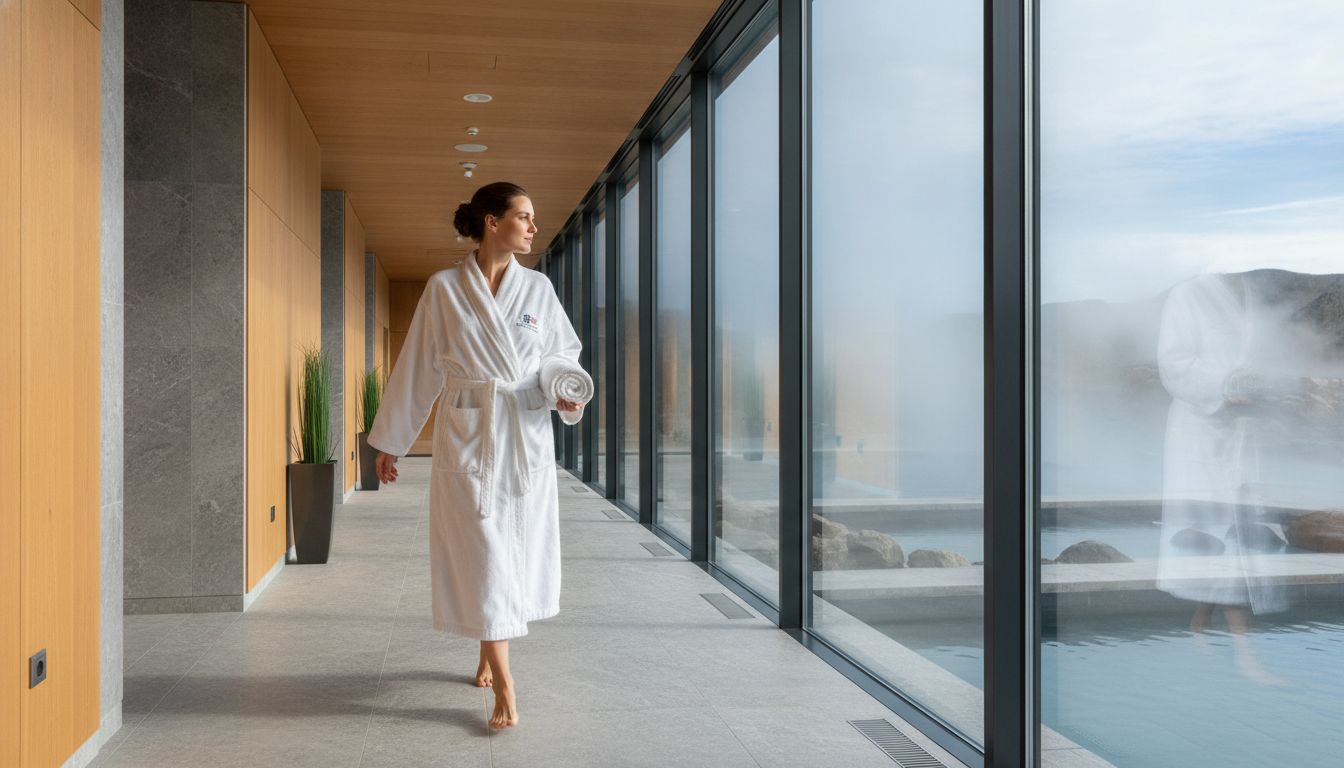
Not every companion is suited to multi-day spa tours. If you want to visit several thermal baths in a row, look for shared preferences when it comes to water temperature, sauna culture and relaxation pace.
Talk about your expectations for the trip beforehand. Does your companion prefer hot thermal pools, or lukewarm exercise pools? Do you love long sauna sessions, or is bathing enough for you? Details like these decide whether the shared tour is a success.
Many thermal baths have special quiet hours or require swimwear on certain days. The Therme Erding, for instance, reserves the Vitaloase pool for clothing-free bathing on Mondays and Thursdays. Factor such preferences into your route so that you both get what you want.
Shared wellness rituals create a bond. Book couples' treatments such as side-by-side massages or private spa suites. At the Felsentherme Bad Gastein, for example, you can rent your own thermal tunnel for two hours exclusively. Experiences like these make shared spa hopping even more special.
Understanding healing water: what makes each bath unique
The real value of spa hopping lies in getting to know different healing-water qualities. Every spring has its own composition, with specific effects.
Radon-rich springs such as those in Bad Gastein or Bad Brambach have anti-inflammatory and pain-relieving effects. The low-dose radioactive radiation stimulates repair processes in the body. Sulfur springs in Bad Wiessee on Lake Tegernsee help with skin conditions and rheumatic complaints. Brine thermal baths such as the Therme Amade in Altenmarkt support the airways and strengthen the immune system.
Study the analysis certificates of the thermal baths, which are usually posted in the entrance areas. There you will find precise information on mineral content, temperature at the source and medical indications. This information helps you choose the right baths for your health needs.
Planning spa hopping for two in the Alps: consider the seasons
The best time for thermal spa hopping depends on your preferences. Each season has its own appeal and its own challenges.
Winter between December and March is high season in Alpine thermal baths. Lying in a steaming outdoor pool at minus ten degrees Celsius (14°F) with snowflakes landing on your face is magical. Prices are higher and the baths are busier, though. Book at least eight weeks ahead during this time.
Spring and fall are considered an insider tip for spa hopping. The shoulder seasons between April and May and between September and October bring mild temperatures, lower prices and fewer crowds. The mountain landscape shows itself in fresh green in spring and golden colors in fall.
The summer months are less suited to pure thermal tours. At an outside temperature of 30 degrees Celsius (86°F), hot healing water loses its appeal. In summer, combine spa hopping with hiking, bike tours or water sports on nearby mountain lakes.
Special thermal bath experiences for couples and companions
Some thermal baths offer extraordinary treatments you won't find anywhere else. These specialties turn spa hopping into a voyage of discovery.
At the Felsentherme Bad Gastein, you immerse yourself in the 2.3-kilometer-long (about 1.4-mile) healing tunnel at 37 to 41.5 degrees Celsius (99 to 107°F) and high humidity. The radon therapy inside the mountain lasts about an hour and is especially effective for chronic pain. The Lindner Alpentherme Leukerbad serves floating breakfast trays in the whirlpool, an unforgettable experience for food lovers.
The Aqua Dome Tirol, south of Innsbruck, has three bowl-shaped outdoor pools that hover twelve meters (about 40 feet) above the ground. The 360-degree panoramic view of the Ötztal Alps turns bathing into a visual spectacle. At night, the pools are lit up atmospherically.
You can try salt grotto treatments at the Therme Laa an der Thaya. In the artificial grotto made of 30 tons of Himalayan salt, there is a microclimate like that of the Dead Sea. The salty air cleanses the airways and relaxes you deeply.
Maximizing the health benefits of spa hopping
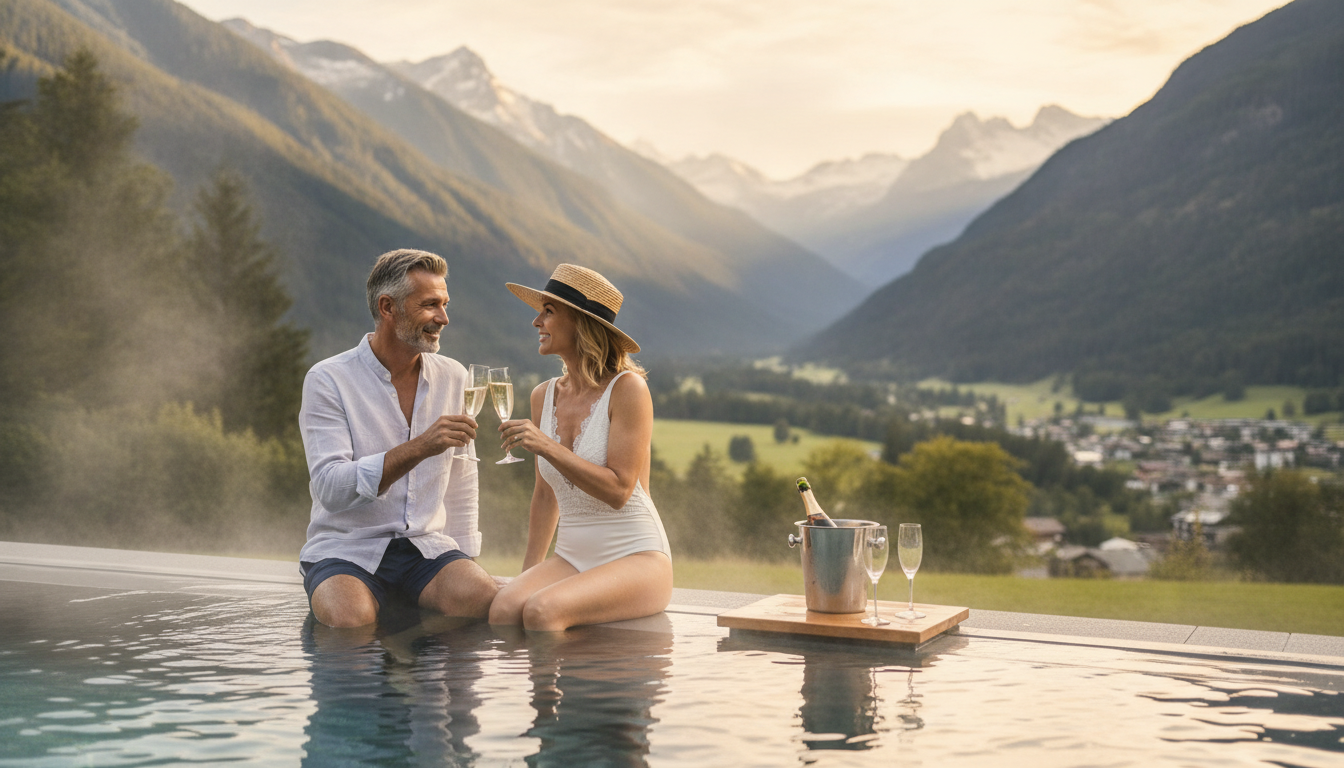
Combining different thermal baths also means making use of different healing effects. You can use this variety deliberately to improve your health.
Start your tour with sulfur springs. Sulfur has a detoxifying effect and prepares the body for further treatments. After two days, switch to radon baths for their deep anti-inflammatory action. Finish the tour with low-mineral, gentle springs that are soothing and balancing.
Drink plenty of water between baths. Intensive mineral baths put a strain on your circulation and lead to fluid loss. At least two liters (about 68 ounces) of water a day is a must when spa hopping. Many thermal spas offer free thermal water for drinking, so take advantage of it.
Treat yourself to professional advice. Some thermal baths have balneologists or spa doctors on site who create individual bathing plans. A 30-minute consultation usually costs between 40 and 80 euros (roughly $45 to $90) and improves your spa-hopping route considerably.
Enjoying the food around thermal baths
Spa hopping isn't just about wellness, but also about culinary discoveries. Many thermal regions have their own food cultures that go perfectly with relaxation.
The Gastein Valley is known for its traditional Alpine cuisine. After your bath, treat yourself to Kasnocken (cheese dumplings) or Bauernkrapfen (farmhouse doughnuts) in one of the cozy huts above the spa. In Leukerbad, Valais raclette is a must: the melted cheese goes perfectly with the mineral-rich thermal water.
Eat light before bathing. Heavy meals put extra strain on your circulation on top of the heat of the thermal water. Have your big meal after bathing instead. Many thermal baths have their own restaurants with special wellness menus that support your metabolism.
Frequently asked questions about spa hopping
What is the maximum number of thermal baths to visit on one tour?
Don't visit more than four different thermal baths in a week. Your body needs time to adjust to the changing mineral compositions, and at least two nights per bath are needed for a noticeable effect.
Is spa hopping possible on a small budget?
Yes, with regional thermal passes and off-season bookings, spa hopping can be affordable. Many baths offer reduced afternoon rates from 3 p.m., and staying in guesthouses instead of hotels cuts costs significantly.
Is spa hopping suitable for people with cardiovascular problems?
Only after talking to your doctor, since the changing temperatures and mineral load place heavy demands on the circulation. People with cardiovascular conditions should limit themselves to two or three baths and plan longer stays at each location.
What documents do I need for thermal baths abroad?
Within the EU, a national ID card is enough for EU citizens; as a US traveler, bring your passport. Also carry proof of travel health insurance in case you need medical advice at the spa centers. In Switzerland, international travel health insurance is recommended.
Can you travel spontaneously from bath to bath, or should everything be booked in advance?
In the off-season, spontaneous spa hopping works well, but during the winter months and school holidays you should at least book your accommodation ahead. Day admission to the baths themselves is usually possible without a reservation, but special treatments are often fully booked.
Conclusion: spa hopping as an enrichment for shared wellness trips
Spa hopping in the Alps combines the healing power of different thermal springs with the joy of traveling together. If you combine several thermal baths on one tour, you experience not only different healing waters, but also a variety of architectural styles, regional cultures and culinary traditions. With the right companion at your side, this way of traveling becomes an intense wellness experience that goes far beyond simple relaxation.
Careful planning pays off: at least two nights per bath, a route chosen with healing-water qualities in mind, and enough rest between locations make the difference between hectic rushing around and genuine regeneration. Whether you choose the Austrian classics route, the Swiss panorama tour or put together your own route, spa hopping offers countless combinations for every taste and every budget.
Start planning your thermal tour through the Alps today. Talk with your travel companion about which healing-water qualities interest you most, which route fits your schedule and budget, and which special experiences you would like to build into the tour. The perfect spa-hopping adventure is already waiting for you, from spring to spring and experience to experience, always together.